The history of Rozenburg
From earthenware to eggshell porcelain and Art Nouveau tiles, 1883–1917
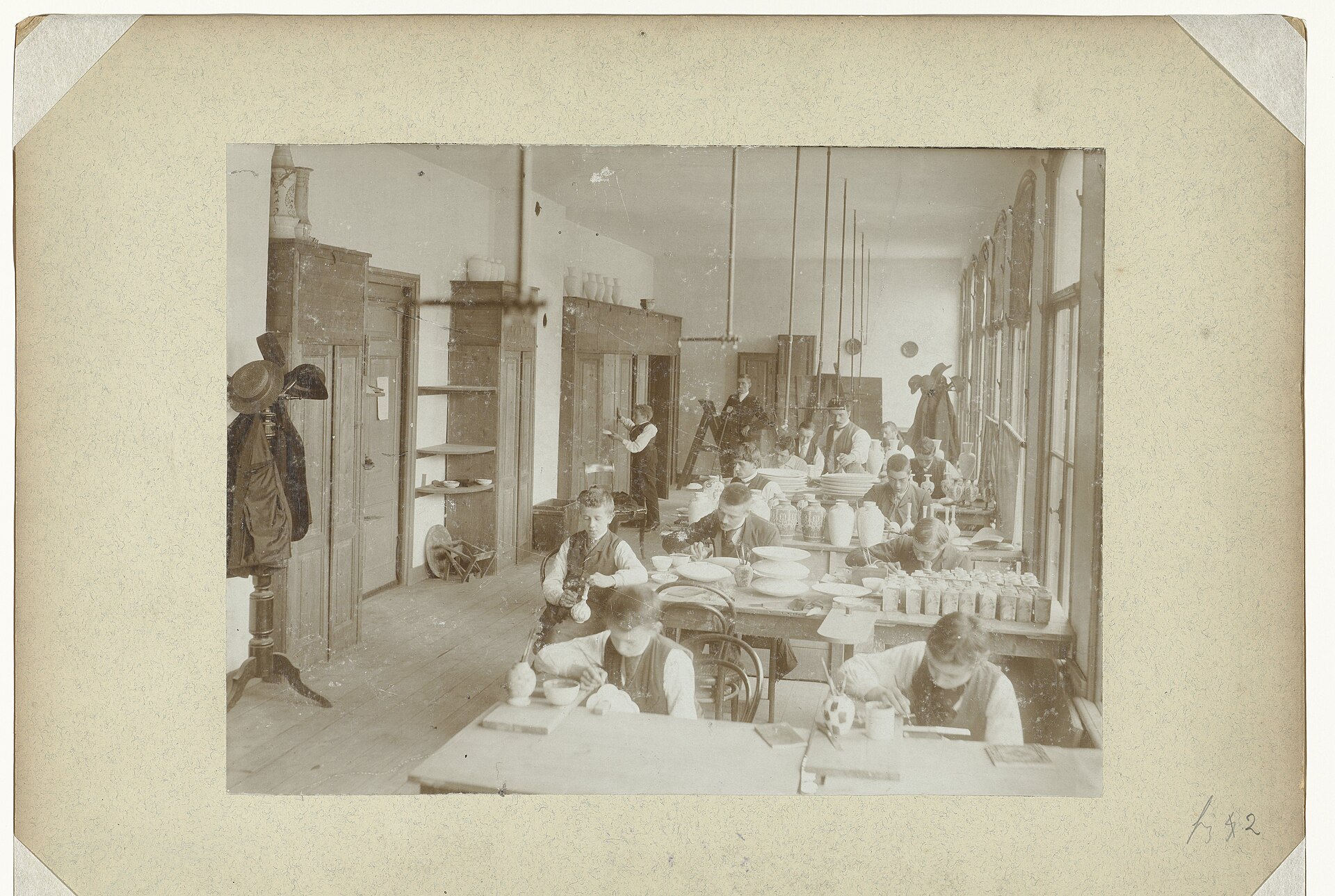
A concise history of the Rozenburg pottery in The Hague (1883–1917): from the art pottery of its early years through the world-famous eggshell porcelain to the end of the factory.
History
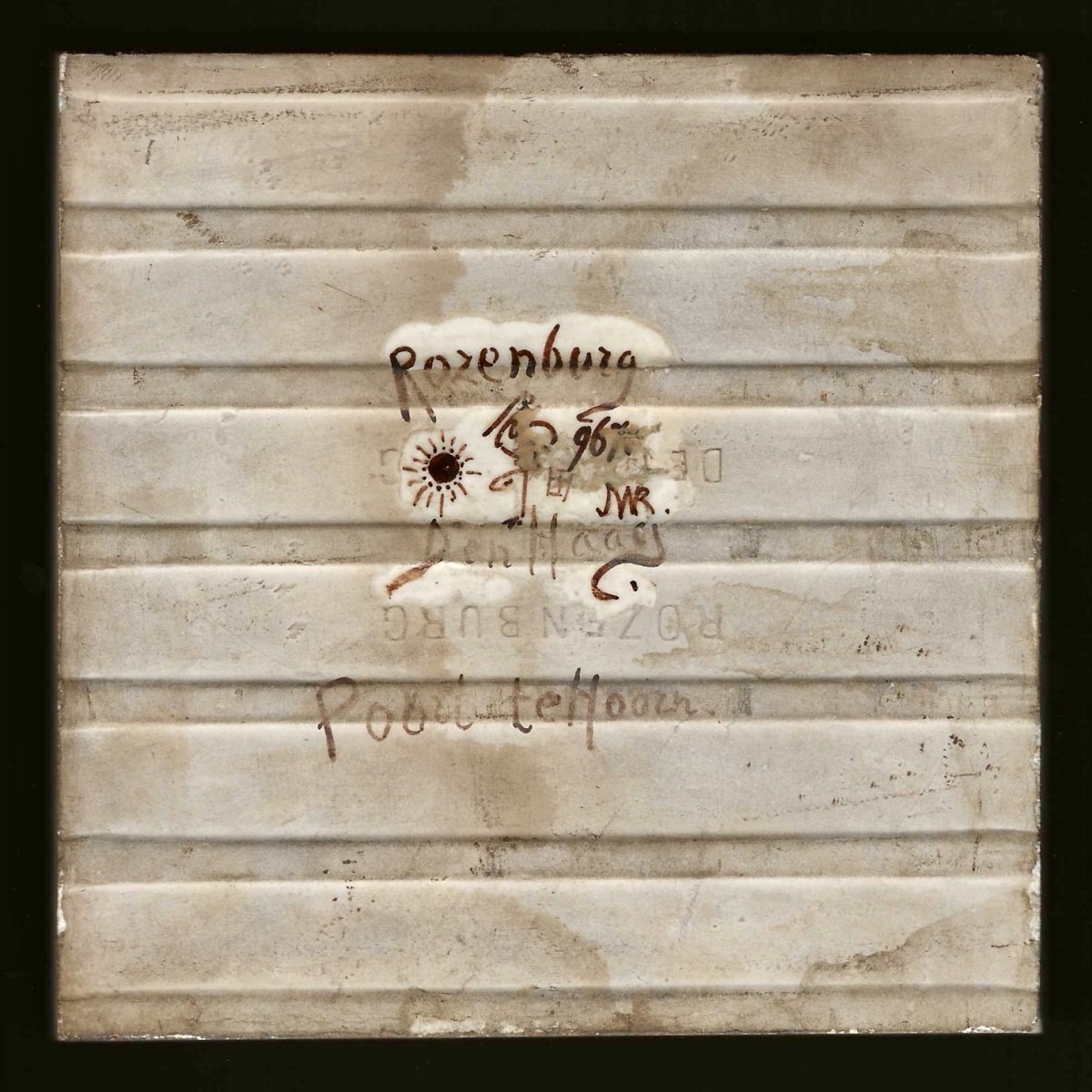
The Rozenburg pottery was founded in 1883 in The Hague by Wilhelm Wolff von Gudenberg. The factory began in a rented warehouse on the Boekhorststraat and in 1885 moved to the Rozenburg country estate (on what is now the Buitenom), from which it took its name in 1886.
In its early years Rozenburg made art pottery in a variety of styles. Under designer Theo Colenbrander (1884–1889) the factory developed a distinctive, strongly stylised character; Von Gudenberg ran it until 1889. From 1895, under director J. Jurriaan Kok, Rozenburg grew into one of the most innovative potteries in Europe.
Eggshell porcelain
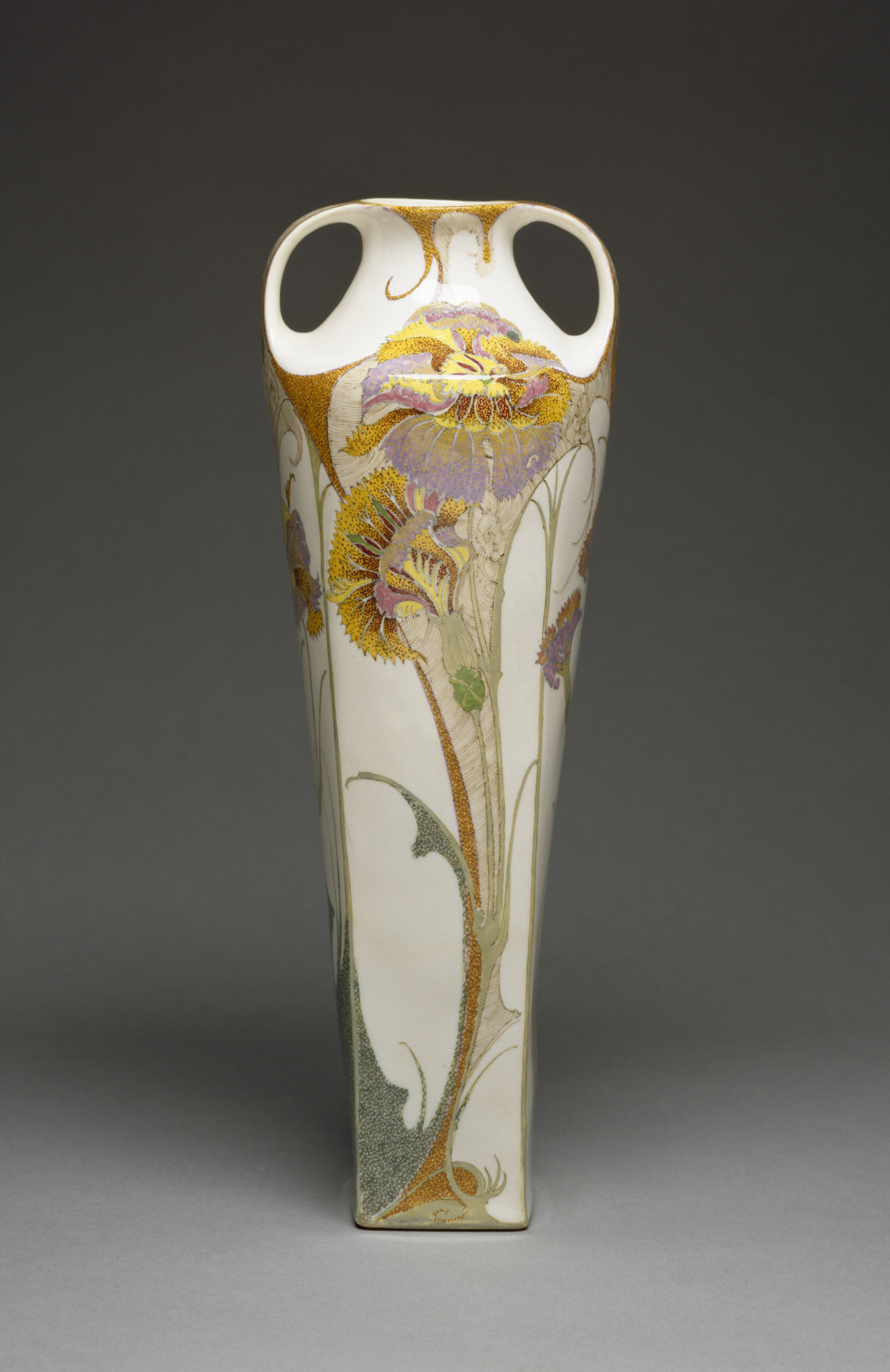
Rozenburg gained its greatest fame with so-called eggshell porcelain, whose production began in 1899 on the initiative of director Kok. This extremely thin-walled, translucent material made possible intricate Art Nouveau decorations that were made nowhere else in the world.
The decorations — birds, butterflies, irises, storks — were applied with exceptional precision by specialised pottery painters. Pieces are often signed with the painter's initials or monogram.
Tiles and tile panels
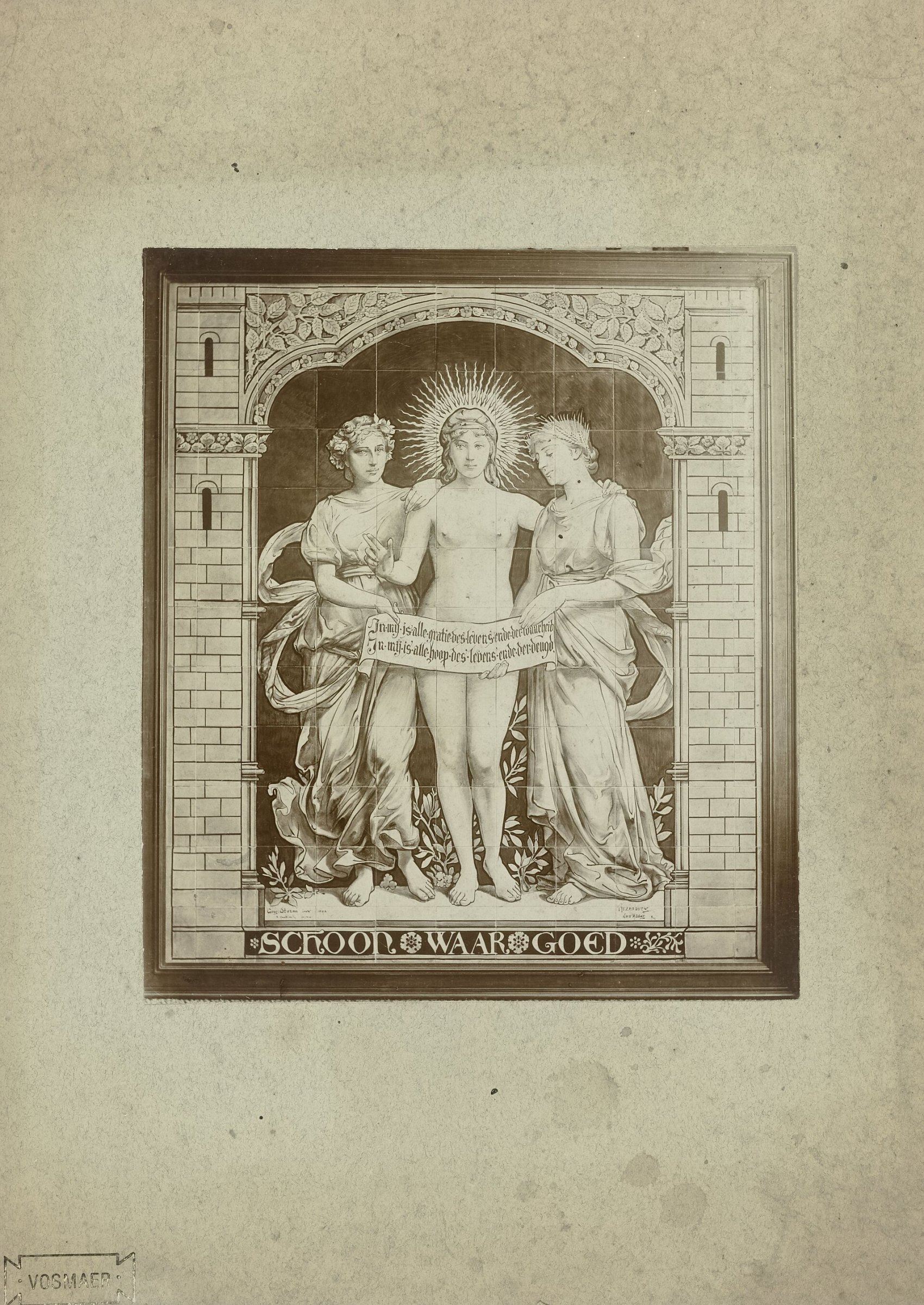
Alongside its refined eggshell porcelain, Rozenburg also produced tiles and tile panels, both for architectural use and as works of art in their own right. These pottery tiles are characterised by rich, matte glazes and painterly Art Nouveau scenes.
Tile panels — larger panels built up from several tiles — often depict landscapes, flowers or animals. They were used as wall decoration in homes, offices and public buildings.
Decline and closure
After 1910 demand declined due to economic headwinds and changing tastes. Jurriaan Kok, the artistic driving force behind the factory, left Rozenburg in 1913 and died in 1919. At the outbreak of the First World War production all but ceased in 1914; in 1917 the Rozenburg pottery was wound up for good.
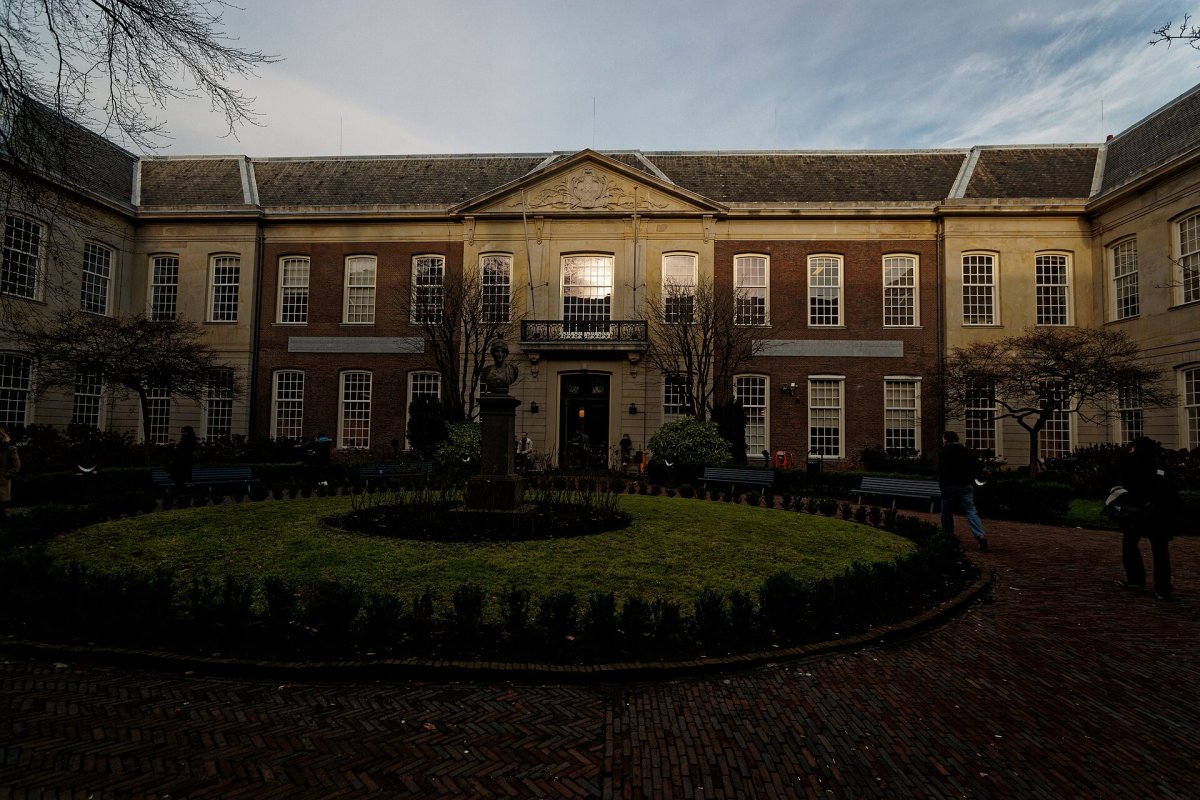
Rozenburg pieces can today be found in museums worldwide, including the Gemeentemuseum (Kunstmuseum) Den Haag, which holds the largest public collection.
Sources: Getoetst aan drie naslagwerken over Rozenburg: Marjan Boot e.a. (red.), Rozenburg 1883–1917. Geschiedenis van een Haagse fabriek ('s-Gravenhage 1983) Y. Brentjens, Rozenburg. Plateel uit Haagse kringen (2007) en W.J. Terlouw, De Stanya collectie. Een particuliere verzameling Rozenburg keramiek (Leeuwarden: Princessehof, 2001). Waar de gegevens op deze site vandaan komen: Bronnen en werkwijze.